

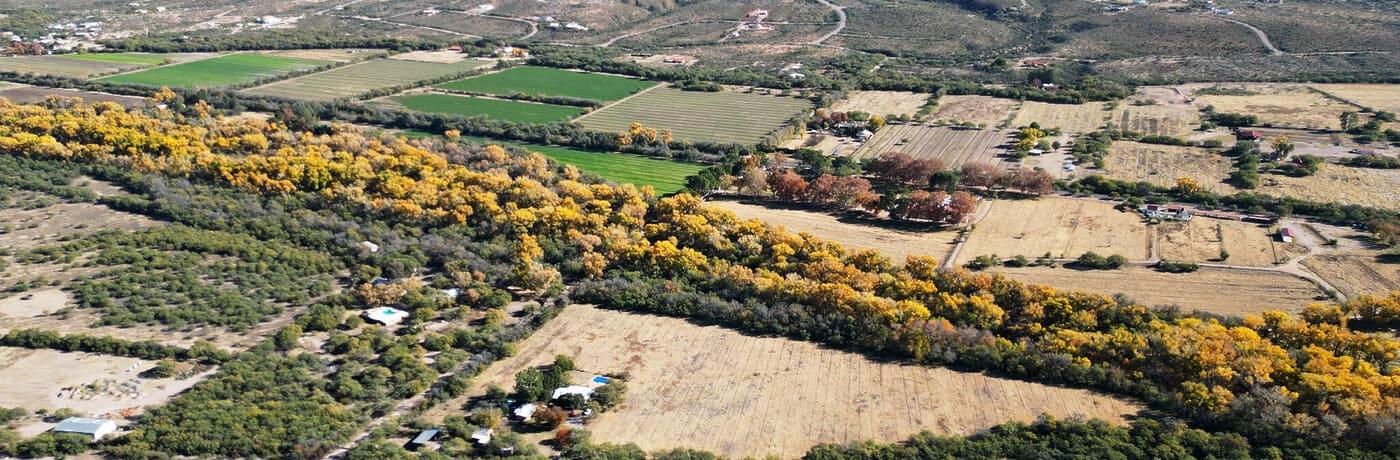
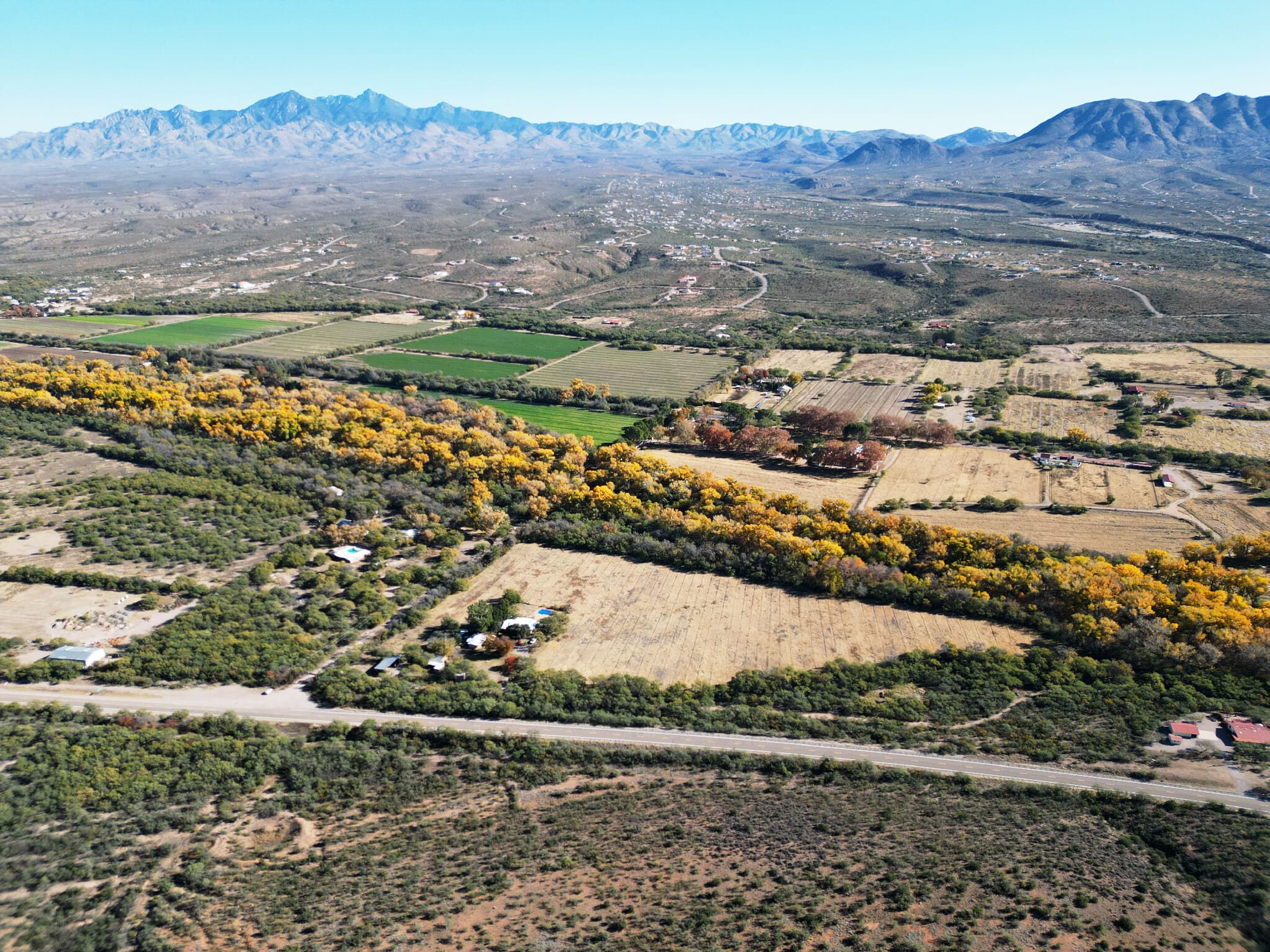
There is a long history of humans living along the Santa Cruz River.
12,000 years ago. The first humans appeared in the valley at the tail end of the Ice Age when the Clovis culture were hunting the megafauna. At that time the climate, landscape, and ecosystem were very different, with wetter winters and cooler, drier summers.
11,000 years ago. The Clovis culture ended when drought and overhunting led to the extinction of mammoths, horses, camels, bison, and more.
10,000 years ago. Temperatures continued to increase and a summer-dominant rainfall pattern moved in, which meant that the pinyon, juniper, and oak woodlands moved to higher elevations, allowing desert plants to establish in the valley.
For the surviving humans, the hunter/gatherer Cochise culture, food became smaller animals as well as seeds, nuts, and fruits of wild plants. Stone grinding tools appeared at this time for the small bands of people who moved campsites seasonally. During this time the human impact on the floodplain included burning grasslands during game drives, intensive foraging and firewood collecting, clearing of natural vegetation for fields, and diversion of surface water.
8,500–5,500 years ago. It is believed that temperatures rose as well as aridity, and as there is no archaeological evidence of humans during this time, it is assumed that they were not present.
5,500 years ago. The environmental shift caused the floodplains to stop eroding, which led to a buildup of sediment deposited during regular flooding. This allowed the floodplains to build up soil, which encouraged cactus, mesquite, and grasslands to flourish, which brought in bison and other large game. After a long abandonment by humans in the valley, the hunter/gatherers returned to find ample food.
5,200 years ago. Agriculture was introduced from Mexico and became the main source of subsistence for the Hohokam culture, mainly cotton (for soft fibre), agave (tough fiber), tobacco (ceremonial), and amaranth (nutrition).
4,100 years ago. This is the time maize arrived in the valley from Mexico along with beans and squash (the three sisters), which started the practice of summer farming near springs and wetlands along the river, as well as using stormwater runoff and floodwater irrigation to grow their crops.
The Hohokam were culturally related farming communities who maintained their social connections through trade from Mexico to California.
600 years ago. The Hohokam culture of southern Arizona collapsed after population decline due to overpopulation and years of drought, followed by large floods that destroyed the irrigation canals.
346 years ago. The Europeans arrived in the valley to find the Tohono O’odham culture, bringing with them their cattle, seeds, fruit trees, and farming, as well as maps and records, and the Santa Cruz Valley entered historical time.
It is interesting to note that in the short time that humans have been in the valley, a change in weather patterns and over-exploitation of resources took down three cultures. Our weather patterns are changing, and we are using, and losing, a lot of water. Just saying.